Quick Answer
- A DSP (digital signal processor) turns the audio signal into numbers, changes those numbers with filters and delays, then turns them back into an analog signal for your amplifiers.
- The signal path is analog-to-digital converter (ADC), processor, then digital-to-analog converter (DAC), with 24-bit or 32-bit processing in current car units (Audio Intensity, 2026).
- Three tools do most of the work: crossovers that send each speaker only the frequencies it can play, parametric equalization (EQ) that flattens cabin peaks, and time alignment that delays the nearest speakers.
- Time alignment works because sound covers about 13.5 inches per millisecond, so a 24-inch path difference needs about 1.78 ms of delay (Audio Intensity, 2026).
- A DSP can also remove the factory EQ curve from a stock radio signal, which is why it is the standard way to add better sound without replacing the dashboard screen.
A DSP in car audio works by converting the incoming music signal into digital data, running that data through crossovers, equalizer filters and time delays set for your car, and converting it back to analog for the amplifiers. Each output channel gets its own settings, so every speaker plays the right frequencies, at the right level, at the right moment for the driver’s seat.
What a DSP Does in a Car Audio System
A DSP fixes the problems a car interior creates. Speakers sit at different distances from you, glass and seats reflect sound, and the cabin boosts some frequencies and cancels others. The processor corrects all three so the system sounds balanced and the stage appears in front of you instead of at your left knee.
A home listening room gives speakers space and symmetry. A car gives neither. The driver sits close to the left door speaker and far from the right one, the tweeters point at the windshield, and the woofers fire into your legs. Audison makes the same point in its explanation of why processing matters: speaker placement in a car is always a compromise, and processing is how installers correct for it (Audison, 2023).
The Signal Path Inside a DSP: ADC, Processor, DAC
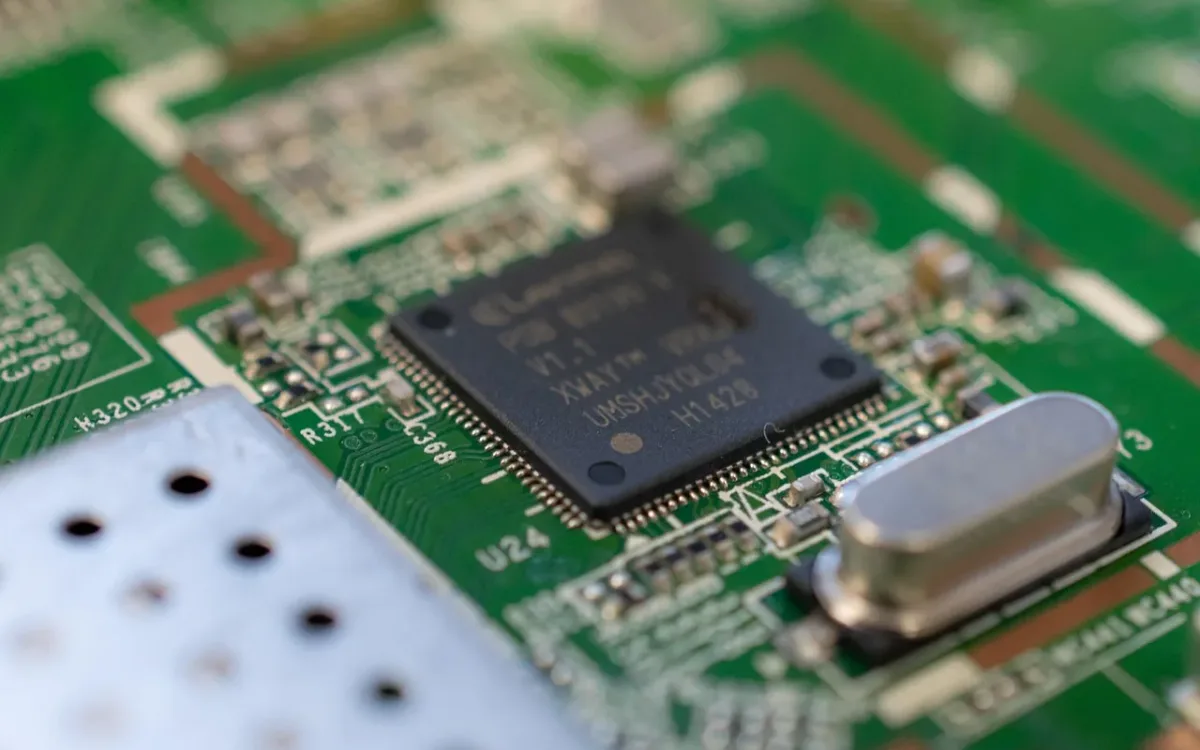
Inside the box, the signal passes through three stages: an analog-to-digital converter samples the incoming voltage, the processor chip applies every filter and delay you set, and a digital-to-analog converter rebuilds a clean analog signal for each output channel. Current car processors do this math at 24-bit or 32-bit precision (Audio Intensity, 2026).
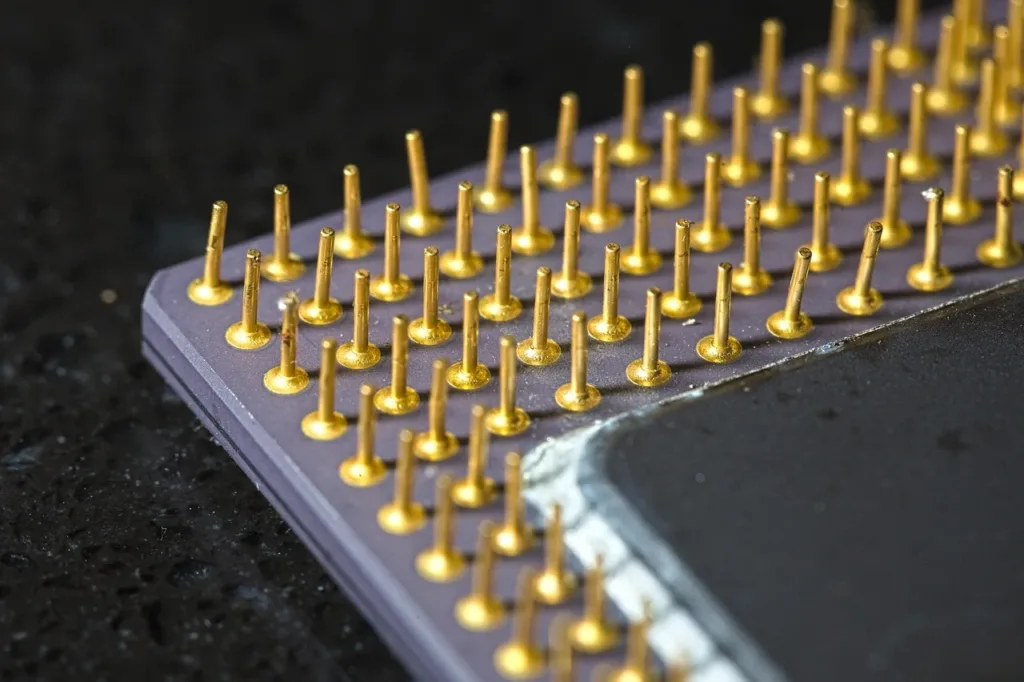
Here is what happens at each stage:
- Input stage. The unit accepts either low-level RCA signals from an aftermarket head unit or high-level speaker wires from a factory radio. High-level inputs on typical units accept 2 to 16 volts (Audio Intensity, 2026).
- Conversion to digital. The ADC measures the signal thousands of times per second and stores each measurement as a number.
- Processing. The chip multiplies and adds those numbers according to your crossover, EQ and delay settings. This happens separately for each output channel.
- Conversion back to analog. The DAC turns the processed numbers into a voltage signal again.
- Output stage. Each channel leaves through its own RCA jack to an amplifier channel, or through built-in amplifier channels on a DSP amplifier.
How Digital Crossovers Split the Frequencies
A digital crossover sends each speaker only the range it can reproduce. The subwoofer gets deep bass, the door woofer gets midbass, and the tweeter gets the top octaves. You set the crossover settings per channel, including the point and slope, and the processor applies the filter in software instead of with coils and capacitors.
Most units offer several filter types. Audio Intensity lists Butterworth, Bessel and Linkwitz-Riley as the common choices (Audio Intensity, 2026). Linkwitz-Riley at 24 dB per octave is a popular default because two drivers crossed with it sum to a flat response at the crossover point.
The slope controls how steeply the output falls outside the passband. A 12 dB per octave slope lets more overlap through, while 24 dB per octave keeps the tweeter from receiving bass that could damage it.
Typical starting points look like this:
| Speaker | Filter | Starting frequency |
|---|---|---|
| Subwoofer | Low-pass | About 80 Hz |
| Door midbass | High-pass and low-pass | About 80 Hz to 315 Hz or higher |
| Midrange | Band-pass | About 315 Hz to 3.15 kHz |
| Tweeter | High-pass | About 3 kHz and up |
The exact values depend on the drivers and their locations. Our guide to the best DSP settings for your car audio covers each channel in detail.
How Parametric EQ Corrects the Cabin
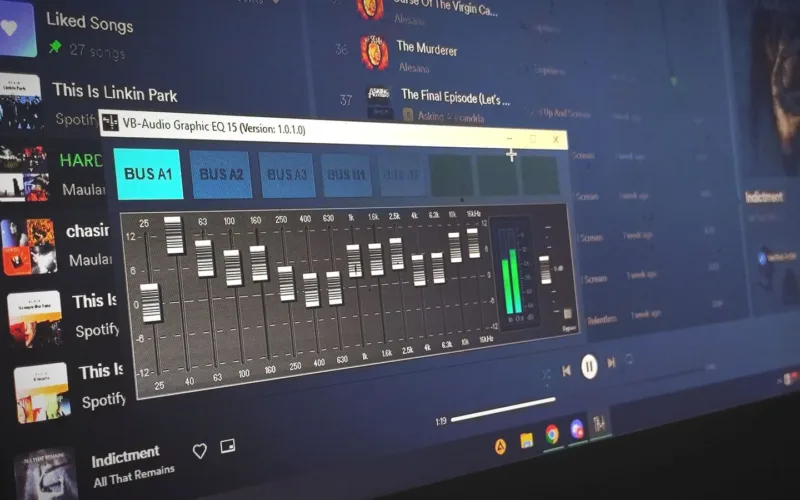
Parametric EQ lets you pick an exact frequency, choose how wide the adjustment is, and cut or boost by a precise amount. This is what removes the peaks a car cabin adds, such as a boomy 120 Hz note or a harsh 3 kHz region from windshield reflections.
A graphic equalizer only moves fixed sliders. A parametric band has three controls:
- Frequency: the center of the adjustment, for example 125 Hz.
- Gain: how much to cut or boost, often in 0.1 dB steps.
- Q: the width of the filter. A high Q affects a narrow range, and a low Q affects a broad range.
Current processors offer up to 31 parametric bands per channel with Q values from 0.5 to 15 (Audio Intensity, 2026). That precision matters in a car, where peaks and dips can sit only a few hertz apart.
Cars also have a built-in bass lift called cabin gain. Because the cabin is small, low frequencies build up by about 12 dB per octave below roughly 80 Hz (Audio Intensity, 2026). A good tune often cuts some subwoofer output for that reason rather than adding more.
How Time Alignment Moves the Stage to the Center
Time alignment delays the speakers closest to you so that sound from every speaker reaches your ears at the same moment. When the arrivals line up, your brain places the vocalist in the middle of the dashboard instead of in the nearest door.
Sound travels at about 1,125 feet per second, or 13.5 inches per millisecond (Audio Intensity, 2026). If the left tweeter is 24 inches closer to your head than the right one, its sound arrives about 1.78 ms early. Delaying the left tweeter by 1.78 ms fixes the arrival time.
The formula is simple:
- Delay in milliseconds = distance difference in inches ÷ 13.5.
The farthest speaker, usually the subwoofer in the trunk, gets zero delay. Every other speaker gets a delay based on how much closer it is. Good processors adjust in steps of 0.02 ms, which is about 6.9 millimeters of distance (Audio Intensity, 2026). The Audio Intensity time alignment guide walks through the tape-measure method and a measurement method.
Time alignment tunes the system for one seat. Most processors store several presets, so you can keep a driver preset and a whole-car preset and switch between them.
How a DSP Connects to Factory and Aftermarket Radios
A DSP connects between your source and your amplifiers. With an aftermarket head unit, RCA cables carry a low-level signal into the processor. With a factory radio, speaker wires carry a high-level signal into its speaker-level inputs, and the DSP converts it internally.
Factory radios often shape their output with equalization or split the signal into separate bands for the factory speakers. A processor can sum those split channels back into one full-range signal and flatten the factory curve, a feature often called de-EQ (Audio Intensity, 2026). This clean signal is what the crossovers and EQ start from.
This is the reason a DSP has become the standard way to upgrade newer cars. The screen, steering-wheel controls, backup camera and vehicle settings all stay in place. If you want to see what that looks like in a real system, our guide on how to use a DSP in your car audio explains the common setups.
DSP Compared With Head Unit EQ and Amplifier Crossovers
A standalone DSP gives far more control than the tools built into head units and amplifiers. Many aftermarket head units include basic time alignment and a 13-band graphic EQ, and most amplifiers have a simple high-pass or low-pass switch. A processor adds per-channel parametric EQ, multiple filter types and fine delay steps.
| Feature | Head unit EQ | Amplifier crossover | Standalone DSP |
|---|---|---|---|
| EQ type | Graphic, shared across channels | None | Parametric, per channel |
| Crossover control | Basic presets | One knob per channel pair | Per channel, choice of slope and type |
| Time alignment | Basic on some units | None | Fine steps per channel |
| Factory radio integration | Replaces the radio | Speaker-level input only | Summing and de-EQ |
| Measurement-based tuning | Rarely | No | Yes, with a laptop and microphone |
If your head unit already handles crossovers and time alignment for a simple front-speaker system, a separate processor may not add much. Once you add active component speakers, a subwoofer, or keep a factory radio, the extra channels and control pay off. When comparing models, the best DSP for car audio is the one with enough output channels for your speakers, the input type your source needs, and tuning software you find easy to use.
Do You Need a DSP?
You need a DSP if you keep a factory radio with a heavy built-in EQ, run active component speakers, or want the stage centered in front of the driver’s seat. You probably do not need one for a basic speaker swap on an aftermarket head unit that already has time alignment.
Signs a processor will help:
- Vocals sound like they come from the nearest door instead of the center.
- The bass is boomy at one note no matter how you set the tone controls.
- The factory radio cuts bass as the volume rises.
- You are adding an amplifier and subwoofer to a factory system.
A processor only helps once it is wired and tuned properly. Start with our guide to installing a car audio DSP.
Frequently Asked Questions About How a DSP Works
What does DSP stand for in car audio?
DSP stands for digital signal processor. In car audio it is a unit that converts the music to digital data, applies crossovers, EQ and time delays per channel, and sends the corrected signal to the amplifiers.
Does a DSP improve sound quality?
Yes, in most cars. It corrects the uneven frequency response and off-center stage that car interiors create. It cannot fix a damaged or poor speaker, but it lets good speakers sound their best in the space you have.
Can a DSP work with a factory radio?
Yes. Most car DSPs have high-level inputs that accept factory speaker wires. They can combine split factory channels and remove the factory EQ curve before applying your own settings.
Is a DSP the same as an equalizer?
No. An equalizer is one of the tools inside a DSP. A processor also includes crossovers, time alignment, channel routing and level control, all adjustable per output channel.
Do I need a laptop to use a DSP?
Most standalone processors are tuned with software on a Windows laptop or with a phone app over Bluetooth. After tuning, the settings stay in the unit, and a small remote or app usually lets you switch presets and adjust the subwoofer level.
Summary: How Does a DSP Work in Car Audio
- A DSP converts the music to digital, processes it, and converts it back to analog for each amplifier channel.
- Crossovers send each speaker only the frequencies it can play.
- Parametric EQ removes cabin peaks and dips, and time alignment centers the stage for the listener.
- High-level inputs and de-EQ let a processor work with factory radios without replacing the dashboard.