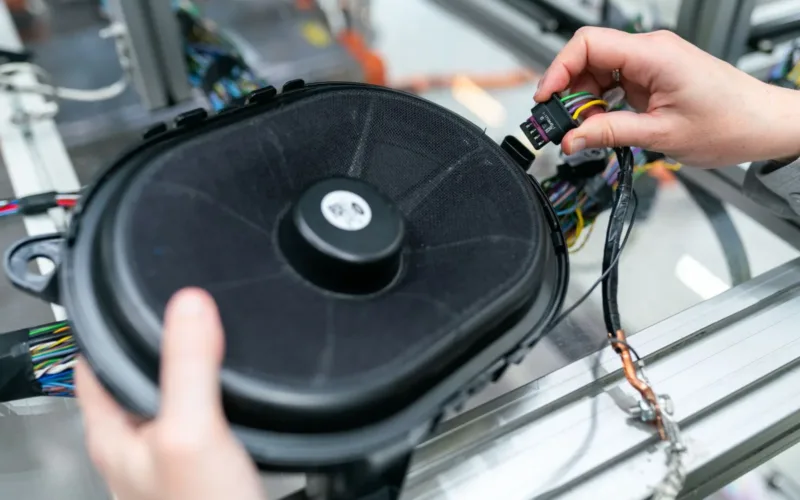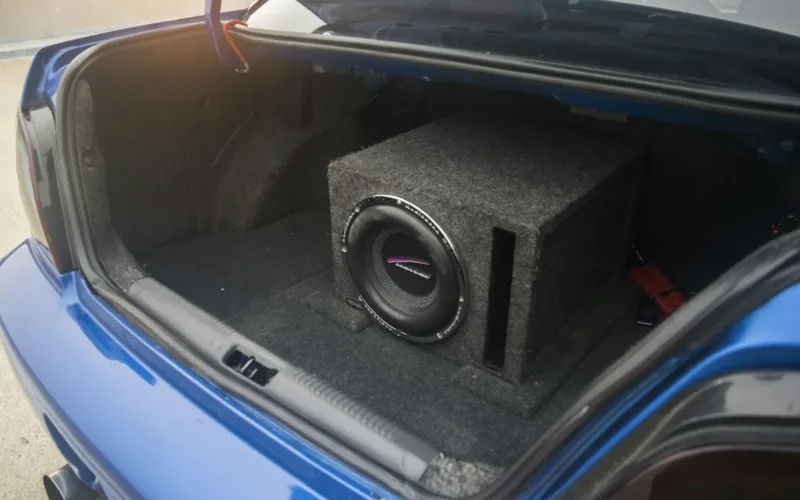

Under $150 a pair, every set is making compromises. What separates the good ones is which compromises they chose, and whether they include the hardware that makes a tidy installation possible.
What this budget buys
Expect a competent polypropylene or paper-composite woofer, a soft dome or balanced-dome tweeter, and either a coaxial layout or a component set with a simple passive crossover. Expect sensitivity in the high eighties, which is enough to run from a head unit if you must.
Do not expect deep bass. In a door, with a high-pass at 80 Hz where it belongs, that does not matter.
What we weighted most heavily
- Response at 30 and 60 degrees off axis, since nobody sits on axis in a car
- Whether adapter rings and foam gaskets are supplied
- Mounting depth, because shallow doors rule out otherwise good sets
- Sensitivity, for anyone running them without an amplifier
Coaxial or component at this price
At this budget a coaxial is usually the better buy unless you will definitely mount the tweeters high. A cheap component set with the tweeters left in the door has spent money on a separation you did not use. Our comparison goes into the detail behind that.
The best thing you can do with a budget speaker set is spend twenty pounds and two hours on foam, damping tiles and a rigid adapter ring. It will beat spending another hundred on the drivers.
Fit them properly
Every set at this price benefits more from careful fitting than from anything else. Seal them to the door card, damp the outer skin, and check polarity on both sides. Our thin-sounding doors guide covers all three.