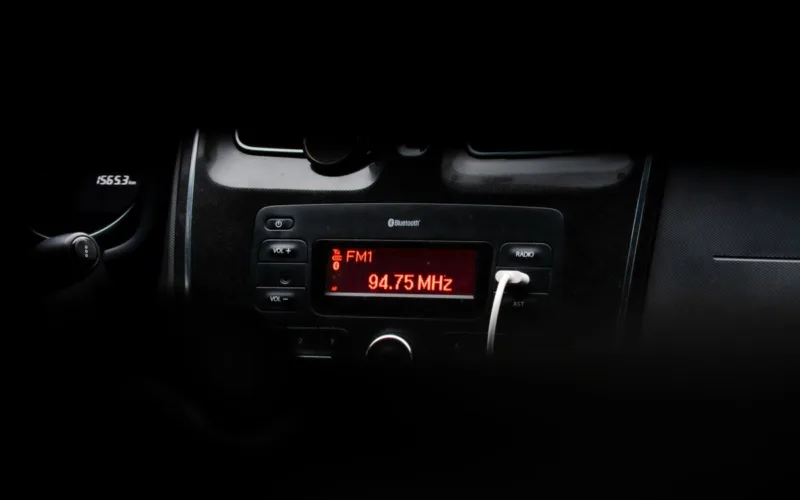
The head unit is the component that sets the ceiling for everything downstream. A clean signal can be ruined by a bad amplifier, but a dirty or low-voltage signal cannot be repaired by a good one. That is why pre-out voltage is worth checking under load rather than open circuit, and why a good many decks do not survive the change.
How a head unit should be judged
A deck should be measured at full volume into a 10 kilohm load, which is what a datasheet usually means, and then again into a 2 kilohm load, which is closer to what a real amplifier input presents. It is common for a unit claiming 4 volts to deliver appreciably less once a real load is attached. That difference is audible as noise, because a weaker signal forces you to turn the amplifier gain up and amplify the noise floor with it.
Numbers that actually matter
- Pre-out voltage measured under load, not open circuit
- Number of pre-out pairs, and whether the subwoofer output has independent level control
- Built-in time alignment, and whether it works per channel or only left and right
- Whether the crossover is adjustable in useful steps or fixed at one frequency
- Whether steering wheel controls survive, and what interface module that requires
Wireless CarPlay is no longer a differentiator
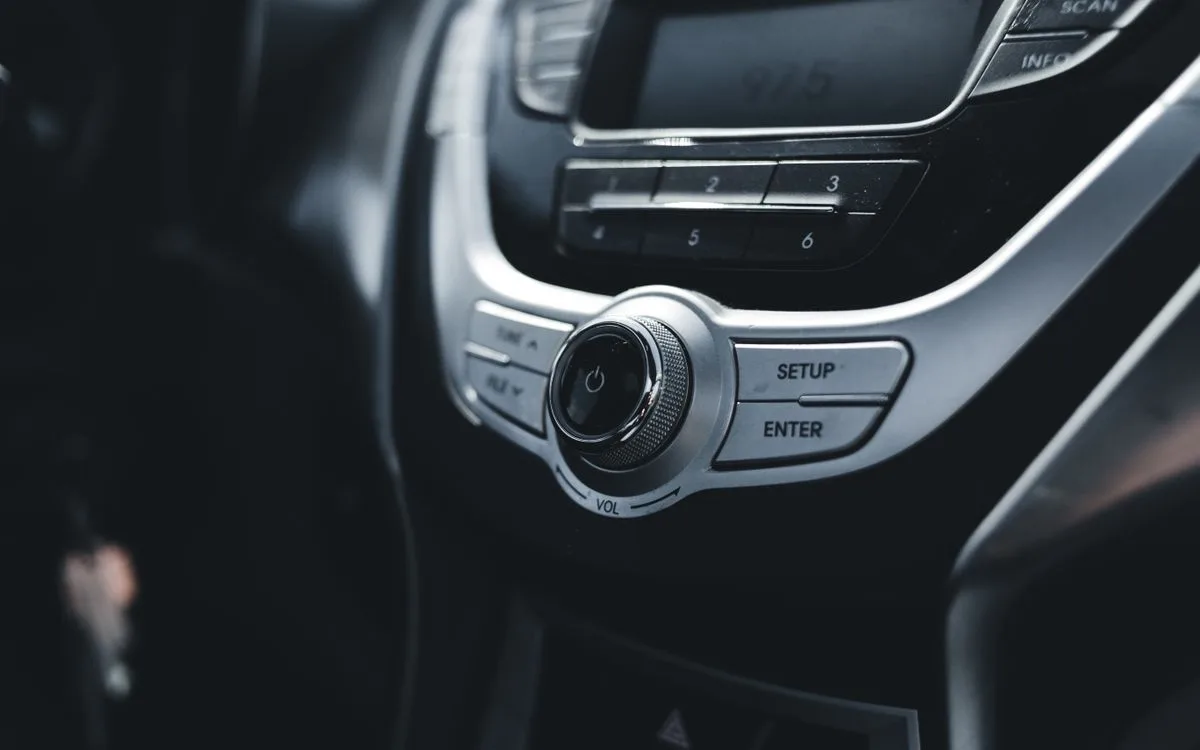
Every deck above roughly $300 now does wireless CarPlay and Android Auto, and they all do it competently. Screen brightness and touch responsiveness vary more than the software does. Do not pay a premium for the feature itself; pay attention to whether the screen is readable through polarised sunglasses and whether the physical volume knob survived the redesign.
If a deck lists a pre-out voltage without saying what load it was measured into, assume the flattering number. Every manufacturer that publishes the loaded figure is telling you something about their confidence.
Do you need the built-in processing?
If you are running a simple front and rear plus a subwoofer, the head unit’s own crossover and time alignment are enough, and a separate processor is money better spent on speakers. If you are going active, with the tweeter and woofer on their own amplifier channels, the head unit’s processing will run out quickly and a dedicated unit earns its place. Our guide to car audio DSP covers where that line sits.
The verdict
Buy the deck with the highest loaded pre-out voltage in your budget and physical controls you can use without looking. Everything else on the spec sheet is negotiable. Once it is in, feed it properly: a head unit swap is the moment to run new speaker wire, and our installation guide explains why the factory harness is rarely worth keeping.